Oil is back near $100 a barrel. Brent crude traded between about $99 and $102 in the first week of November, roughly $38 higher than a year ago, after a year of conflict in the Middle East and disruption around the Strait of Hormuz. That cost doesn’t stay with oil companies. It moves through ships, trucks and delivery vans into the cost of every order you ship this peak season.
Parcel delivery: fuel surcharges near 30%
This is where most brands will feel it first. FedEx and UPS charge fuel as a percentage of the shipping charge, reset every week from US diesel and jet fuel prices. Reuters put the US diesel price at $6.28 a gallon on 19 October, and ground fuel surcharges have climbed with it. FedEx Ground was 29.25% for the week of 2 November and UPS Ground 30.25%. Air services are higher again, at around 33% to 34%.
Both carriers have also changed the tables that turn diesel prices into surcharges. UPS raised its fuel tables by up to half a percentage point on 2 November, alongside its 2027 rate increase. FedEx followed with a 1.5-point rise at every band from 9 November, taking FedEx Ground to 30.5%. Unlike the diesel price, those table changes won’t reverse when oil falls.
Fuel is also charged on top of other surcharges, such as residential delivery and additional handling, so it compounds. For comparison, when diesel was around $3.70 a gallon a year ago, ground fuel surcharges sat at roughly 22%.
Then the peak surcharges stack on top
Peak demand surcharges are a separate, flat charge per parcel. The highest window runs from 22 November to 26 December at UPS and Amazon Shipping, and from 23 November to 27 December at FedEx, with charges winding down between 14 and 17 January. A standard residential parcel pays $0.75 at UPS and Amazon Shipping and $0.80 at FedEx during those weeks, roughly a quarter more than last year. In January, UPS and FedEx general rate increases of 5.9% arrive as well.
Put together, a ground parcel with a $12 base charge now carries about $3.66 in fuel at 30.5%, against about $2.64 at last year’s rate, plus up to $0.80 in peak surcharge. That’s close to $2 more per parcel. On 2,000 holiday orders, it’s nearly $4,000 that wasn’t in last year’s budget.
Ocean freight: bunker fuel and the lag
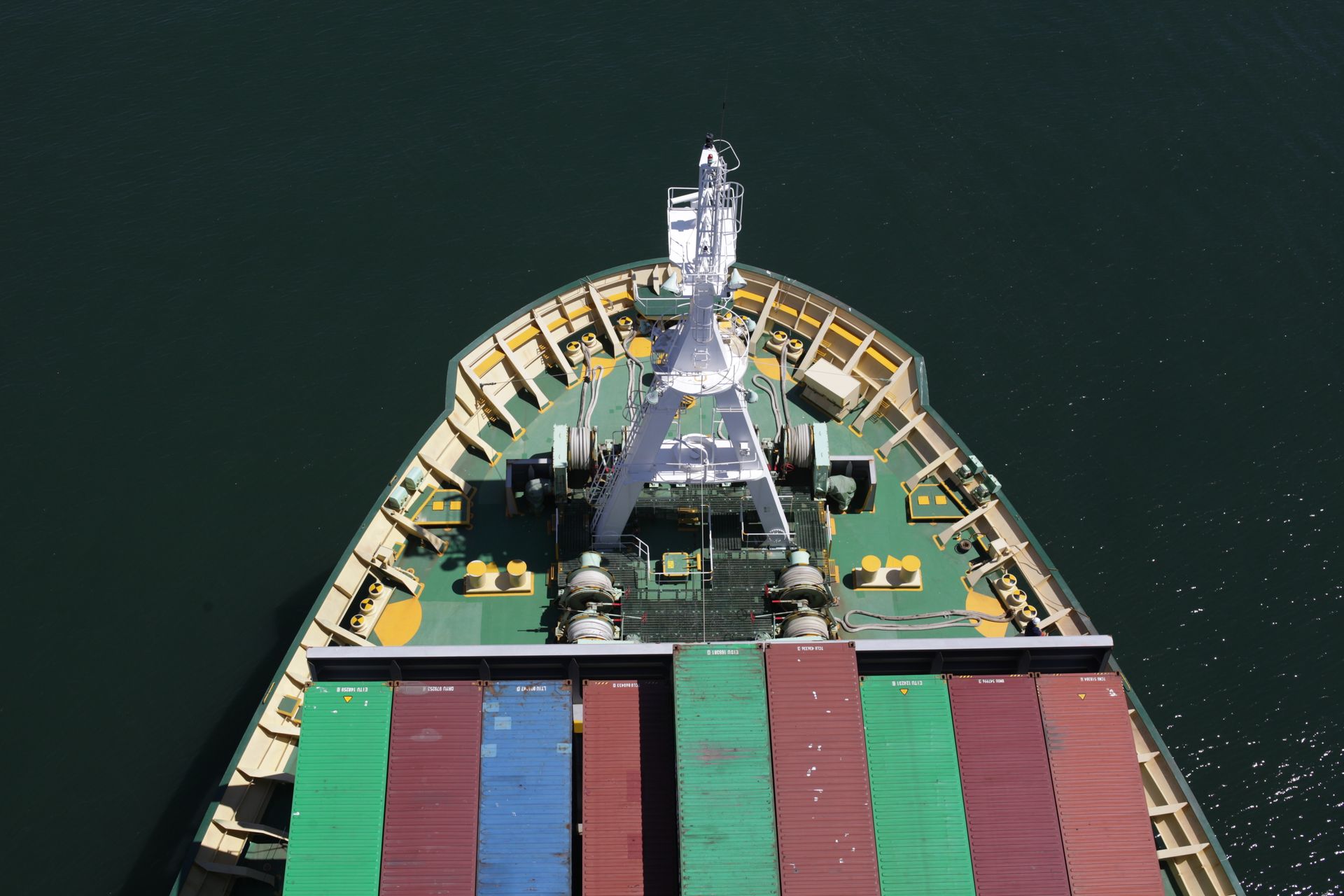
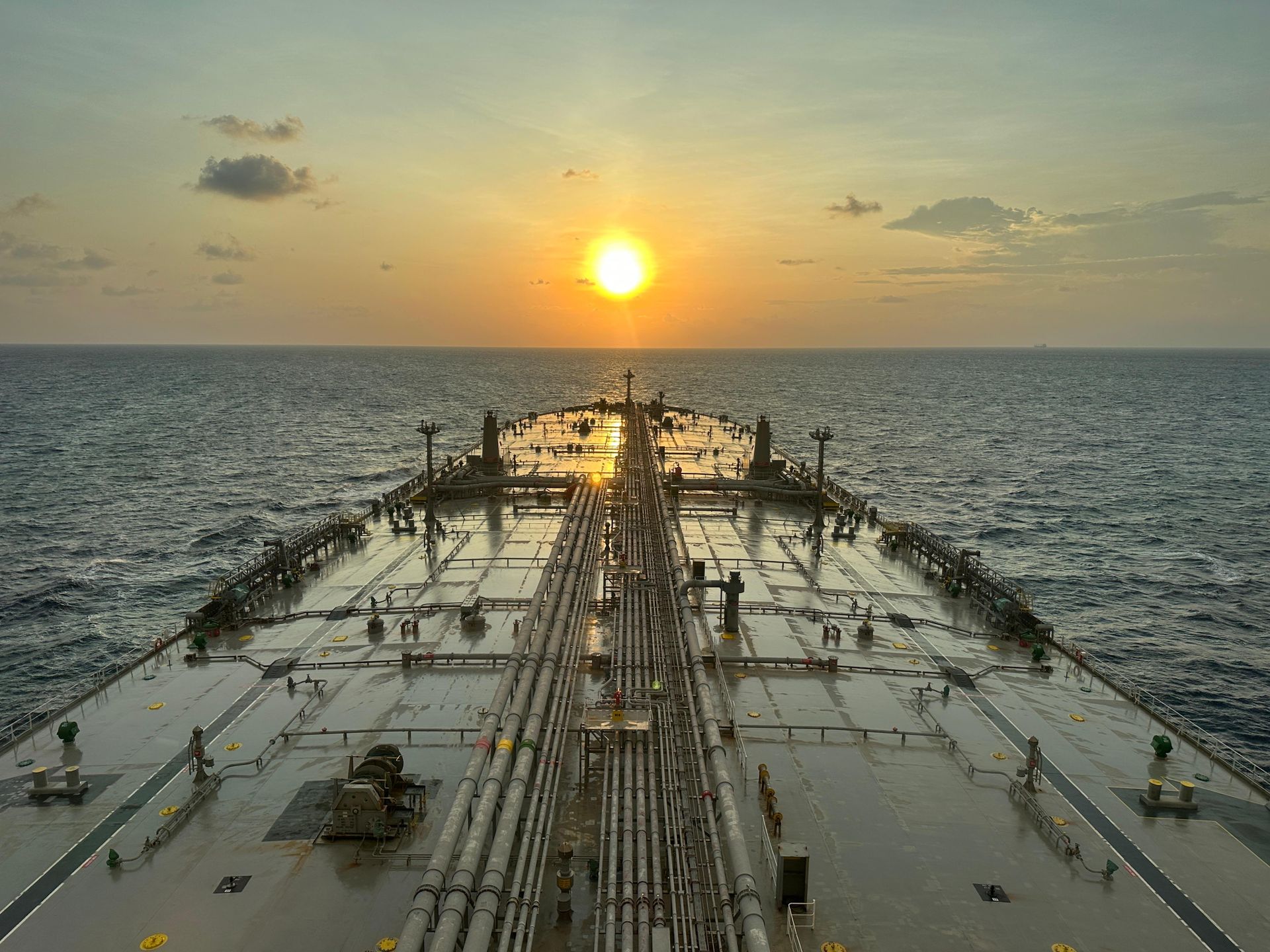
Ships burn bunker fuel, and this year bunker prices have at times risen faster than crude. After the Hormuz disruption early in 2026, very low sulphur fuel oil in Singapore peaked at about $1,100 a tonne, against around $540 before the conflict. On 5 November the global average was about $926 a tonne. Prices eased in the first week of November as traders bet on a Middle East peace deal, though traders also expect supply to stay tight toward year end.
Carriers pass fuel costs on through bunker adjustment factors (BAF) and emergency surcharges, usually a few weeks behind the fuel market. Research from the Federal Reserve Bank of St. Louis shows the impact varies widely: older and smaller ships burn much more fuel per container, and longer voyages multiply it. Cargo from Asia to Europe also carries the cost of the EU Emissions Trading System, which covers shipping in full from 2026.
Inland, Maersk is adding an Emergency Intermodal Fuel Surcharge from 16 November on containers moving by rail between US or Canadian ports and inland ramps.
What to do this peak season
- Model fuel as a weekly variable cost, not a fixed percentage carried over from last year. Check carrier fuel pages every week until January.
- Get inbound stock moved before the peak windows where you can. Shoulder weeks either side are cheaper.
- Shrink your packaging. Base rates follow dimensional weight, and the fuel percentage is charged on that base, so a smaller box saves twice.
- Move anything that isn’t urgent from air to ground. Air fuel surcharges are several points higher.
- Compare regional carriers and USPS for lighter parcels, while they’re cheaper. USPS introduces its own weekly fuel surcharge in January 2027.
- Review free-shipping thresholds and delivery prices before Black Friday, using this year’s real cost per parcel.
- For ocean freight, ask your forwarder whether quotes are all-in, how BAF is calculated, and when it next changes.
- When you renegotiate carrier contracts for 2027, ask for a discount or cap on fuel surcharges. Over a year, that’s often worth more than a cut to base rates.
Will it ease?
That depends mostly on the Middle East. Oil and bunker prices dipped in early November on hopes of a peace deal, but they’ve swung by $5 to $10 a barrel within single days this autumn. Even if prices fall, parcel fuel surcharges follow diesel with a one to two week delay, and BAF lags further, so any relief will reach your invoices slowly. The higher fuel tables and the January rate increases are here to stay.
Talk to us
Bellson Global designs packaging and plans freight for brands shipping from Asia to the US and Europe, so fuel and surcharge costs are built into decisions before goods leave the factory. Get in touch or see what we do.
Further reading: TransImpact on the FedEx fuel table change and St. Louis Fed research on oil prices and container shipping costs.
Last updated 7 November 2026. Fuel surcharges change weekly, so check current rates on each carrier’s website.