“Moving production out of China” sounds like one big trend. It isn’t. Some product categories have already left in large numbers, some are moving now, and some are barely moving at all. Which group your product sits in should shape your sourcing plans far more than the headlines do.
The clearest way to see it is China’s share of US imports by category. Apparel and beauty products moved years ago. Footwear and furniture have moved a long way. Toys have hardly moved.
Footwear and apparel: already gone
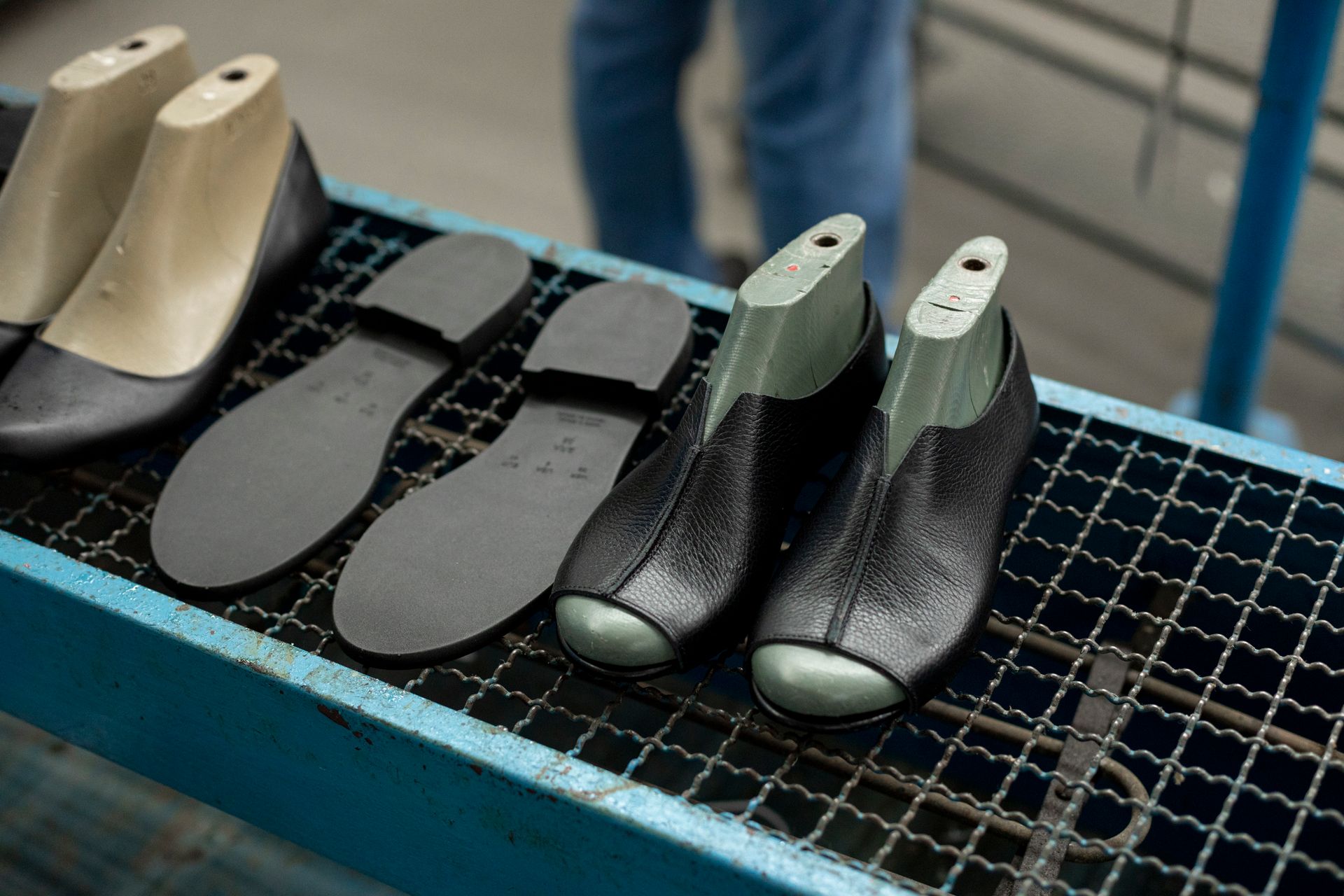
Footwear and clothing were the first to go, because they’re labour-intensive, margins are thin, and the factories are relatively simple to set up elsewhere. By 2025, Vietnam had become the single largest source of US apparel and footwear imports, and China’s share of US apparel imports had fallen to around 14%.
Nike is the clearest example. In fiscal 2026 its Vietnamese factories made about 52% of Nike Brand footwear and 34% of its apparel, while China’s share of Nike footwear fell to about 16%. Columbia Sportswear reports that about 80% of its footwear now comes from Vietnam.
Indonesia, Bangladesh and Cambodia have taken much of the rest, and India is growing quickly in leather goods and fashion accessories.
Smartphones: the fastest switch
No category has moved faster than smartphones bound for the US, almost entirely because Apple moved iPhone assembly for the US market to India. In the second quarter of 2024, 61% of smartphones imported into the US were assembled in China. A year later that had fallen to 25%, while India’s share jumped from 13% to 44%. The volume of smartphones made in India for the US rose 240% in a year.
One caution: most of the components inside those phones still come from China and elsewhere in Asia. India assembles the finished product, which is what customs counts, but the supply chain behind it hasn’t moved nearly as far.
Electronics: assembly moves, the ecosystem stays
Wider consumer electronics are following, mainly to Vietnam. Samsung was the early mover there, and Vietnam’s electronics exports reached roughly $164 billion in 2025. QIMA reported that demand for electronics inspections in Vietnam rose 30% in 2025, a good sign of new production lines starting up.
But China’s share of US electronics imports, at about 15.6% in 2025, understates how much the industry still depends on it. Mexico is now the top source of US electronics imports by value, and most complex components, tooling and engineering know-how remain concentrated in southern China. Final assembly moves easily. The supplier network behind it doesn’t.
Furniture: the low end moves, the high end stays
Vietnam is now the largest source of US furniture imports, with China at about 20.6% in 2025. China’s furniture exports fell 5.9% in 2025, but the decline is concentrated in low-priced upholstered and flat-pack furniture, the categories with the thinnest margins and the most sensitivity to tariffs. High-end, custom and craft-heavy furniture orders have largely stayed in China, where the workshops and materials suppliers are deepest. India is gaining in solid wood furniture.
Toys: still mostly China
Toys are the outlier. About two thirds of US toy imports by value still came from China in 2025, by far the most concentrated major consumer category. Large brands are diversifying: Hasbro said in 2025 that it would move hundreds of US-bound products out of China and shift more of its range to India. But the tooling, plastics, electronics and packaging suppliers that toys depend on are concentrated in China, and that’s hard to replicate.
There’s also less tariff reason to move than there was. Since the new Section 301 forced labour tariffs took effect in July 2026, toys from China and Vietnam pay the same extra 12.5%, so Vietnam no longer has a tariff advantage for most toys.
- Footwear (Vietnam, Indonesia)
- Apparel (Vietnam, Bangladesh, Cambodia)
- Smartphones for the US (India, Vietnam)
- Low-end upholstered and flat-pack furniture (Vietnam)
- Consumer electronics assembly (Vietnam)
- Simple toys and games (Vietnam, India)
- Leather goods and wooden furniture (India)
- Home textiles (India, Pakistan)
- Toys overall (two thirds of US imports)
- Complex electronics and components
- High-end and custom furniture
- Small appliances and hardware with deep part supply chains
What decides whether a product moves
- Labour intensity. Products that are mostly hand assembly, like shoes, garments and upholstered furniture, move first.
- Supply chain depth. Products that need dozens of specialist suppliers within a few hours of the factory, like electronics and electronic toys, stay where those suppliers are.
- Tariff exposure. Products on the older China Section 301 lists still save 7.5% to 25% by moving. Products that aren’t on those lists save much less today.
- Order volume. Big brands can fund new factories abroad. Smaller brands usually follow the factories their category has already built elsewhere.
What this means for your products
If you sell footwear, apparel or simple furniture and still buy only from China, your competitors are probably buying cheaper elsewhere. If you sell toys, small appliances or anything with complex electronics, China is still likely to be your best source, and a second supplier elsewhere is mainly insurance. Either way, compare full landed costs product by product rather than following the headlines.
Talk to us
Bellson Global has developed and sourced consumer products across China, Vietnam, India and the rest of Asia for more than 20 years. We can tell you whether your category has a proven alternative supply base, and run the landed cost comparison before you commit. Get in touch or see what we do.
See also: how export shipments from China, Vietnam and the rest of Asia have shifted since 2024.
Sources: Eightx analysis of 2025 US import data by category, Canalys smartphone shipment data, Nike and Columbia Sportswear annual reports, Furniture Discover and QIMA.
Last updated 7 November 2026.