Unit price gets most of the attention when brands compare countries, but lead time often decides whether a sourcing move pays off. Every extra week between purchase order and warehouse means more cash tied up in stock, more safety stock, and slower reactions when a product sells faster or slower than planned. Here’s how China, Vietnam, India and Mexico compare.
Freight time: door to door
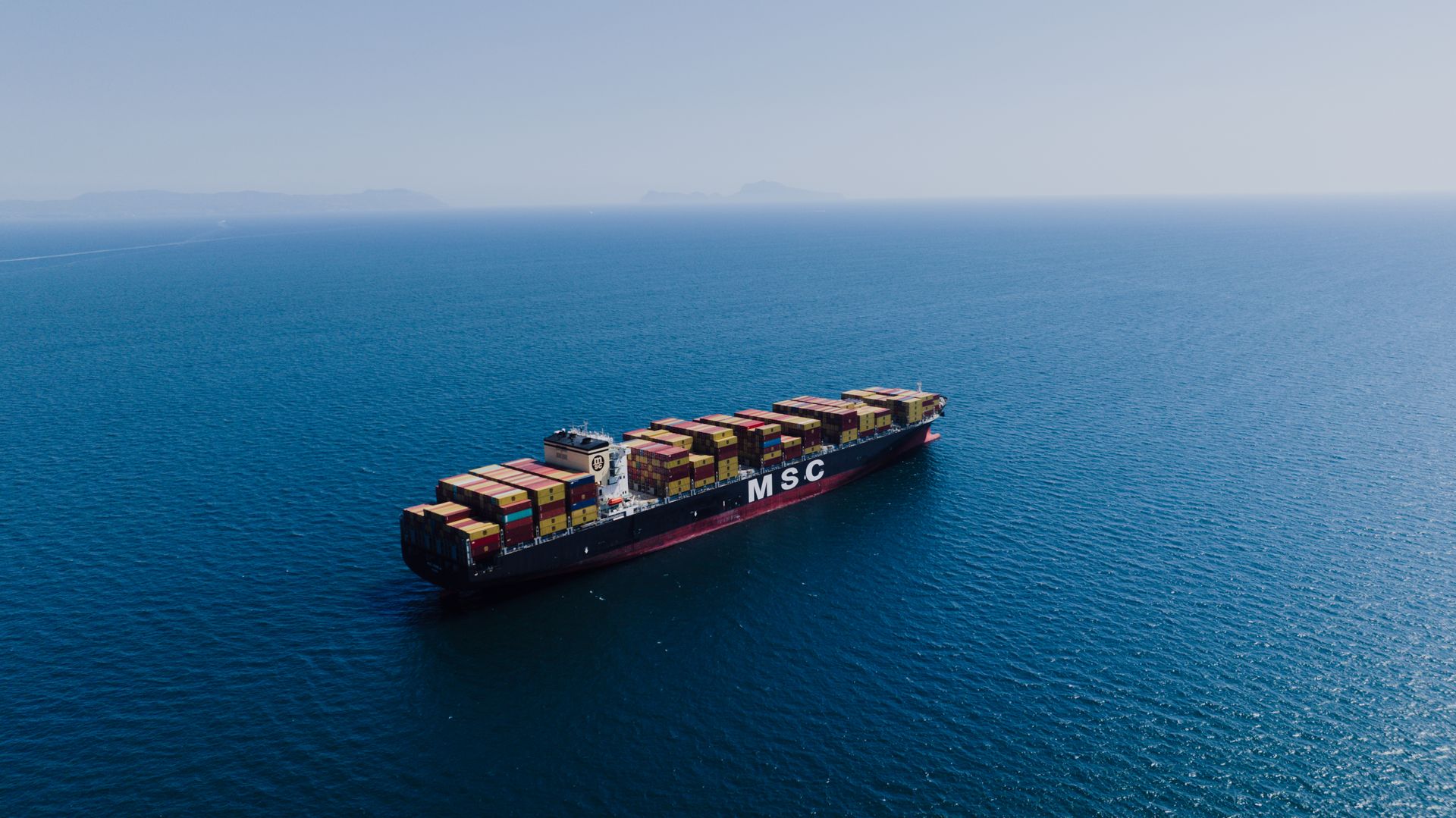
Port-to-port times understate the real wait. Add factory pickup, export clearance, unloading, US customs and trucking, and the gaps widen. China’s direct transpacific services are still the fastest from Asia. Vietnam and India often rely on feeder ships and transshipment through hubs such as Singapore or Busan, which adds days.
Production time
Production speed varies by factory more than by country, but patterns show up. For a 500-unit cotton programme, one apparel manufacturer’s 2026 data puts production at 25 to 35 days in China, 30 to 45 days in Vietnam, 30 to 50 days in Bangladesh and 21 to 35 days in Mexico. China’s advantage comes from its supplier network: fabric, trims and packaging are usually close by, while factories elsewhere often wait for materials shipped in, many of them from China.
The total: order to warehouse
Mexico’s advantage is clear, and USMCA-qualifying goods also avoid the new Section 301 tariffs. But Mexico costs more per unit for most labour-heavy products and has a narrower supplier base for many consumer goods. Asia stays cheaper to make in, slower to deliver.
The delays that don’t show in the averages
- Chinese New Year shuts much of China and Vietnam for weeks. In 2027 it falls on 6 February.
- Transshipment adds three to five days on many Vietnam and India sailings.
- Shipments from India to the US East Coast depend on the Suez route, which is only now returning to normal.
- US customs holds, forced labour checks and the new importer of record rules can add days or weeks.
- Peak season congestion stretches every ocean lane.
A 5-page planner with final cut-off dates for the US, Europe and Australia, a week-by-week timeline, a factory closure tracker, LCL and container packing guidance, and checklists.
What to do
- Work out the real order-to-warehouse time for each SKU, not the port-to-port figure in a quote.
- Hold safety stock in proportion to lead time and how much it varies, not as a flat number of weeks.
- Put fast-moving, unpredictable products closer to your market, and keep steady sellers where they’re cheapest to make.
- For Midwest or East Coast warehouses, compare all-water East Coast routings with West Coast plus rail.
- Keep air freight for genuine emergencies. It costs several times ocean.
Talk to us
Bellson Global manages production across China, Vietnam, India and the rest of Asia, and we plan orders around real lead times, holidays and freight schedules. Get in touch or see what we do.
See also: which consumer products have moved production out of China.
Sources: Dimerco transit time guide, OneAim Apparel, Beacon Filing, Sourcing Pioneer and FreightAmigo.
Last updated 7 November 2026. Lead times vary by factory, product and season, so confirm them with each supplier and forwarder.